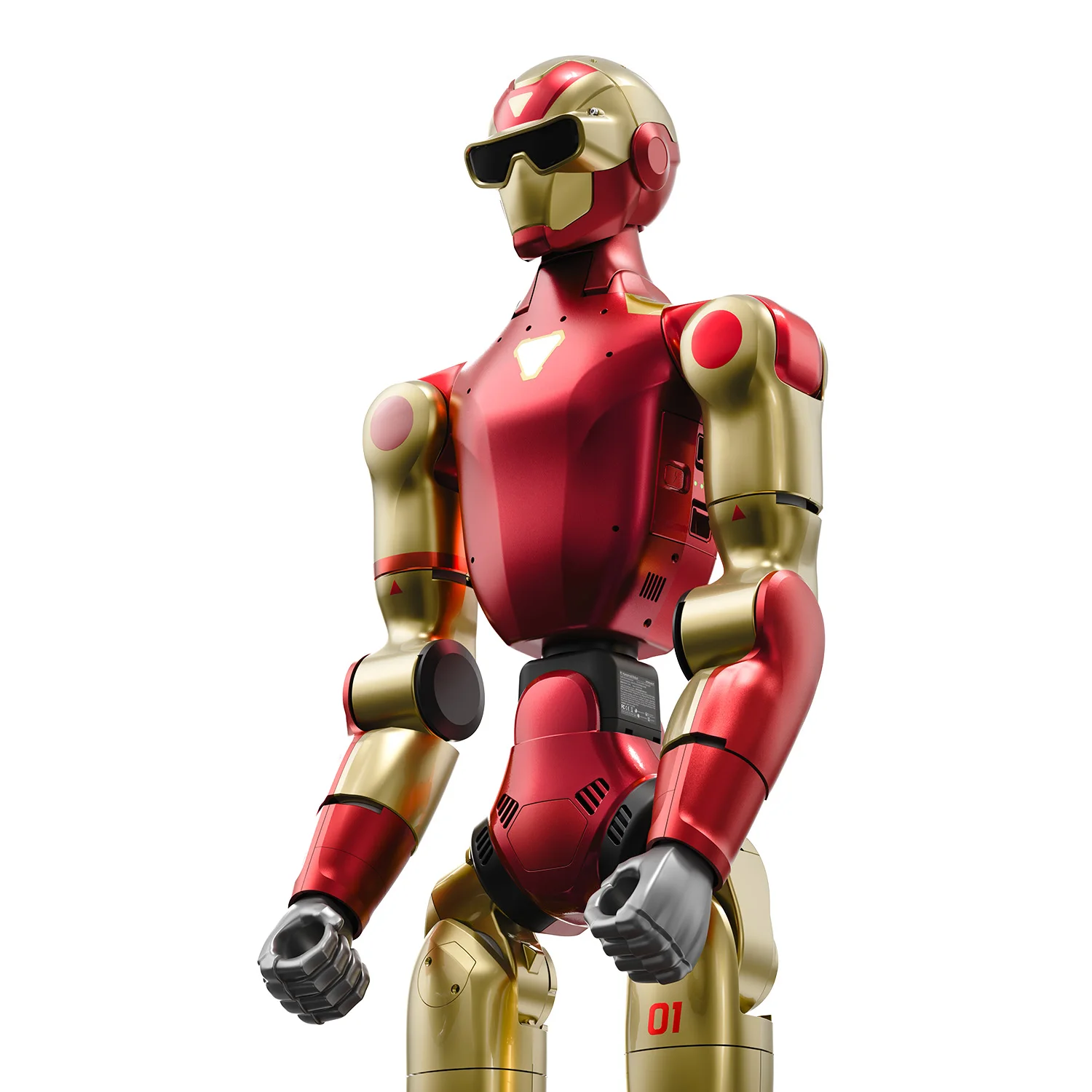
Humanoid Robots Under $10,000 — Full List
The only humanoid robots you can buy for less than $10k: Unitree R1 ($4,900), MOEBIUS 15DOF ($800), third-party dev kits. Honest comparisons, no hype.
We may earn a commission when you buy through links on this page. How picks are chosen
Top picks right now
Affiliate feed or dated snapshot · verify checkoutNo matching products are available right now. Please check again later.
Key Takeaways
- ✓Focus on Degrees of Freedom and high-torque actuators for stable bipedal walking.
- ✓Budget for high shipping costs and potential customs duties on heavy robotics crates.
- ✓BestCart AI checks available affiliate inventory; verify the seller, reviews, specifications, shipping, and final price at the destination.
Find exactly what you need
BestCart AI checks available affiliate inventory. Verify the seller, reviews, specifications, shipping, and final price before buying.
Search with AIThe landscape of robotics has shifted dramatically by 2026, moving from experimental laboratory prototypes to accessible hardware available on platforms like AliExpress. However, shopping in this category requires a high degree of technical literacy and a realistic outlook. You are not buying a finished consumer appliance like a vacuum robot, but rather a sophisticated development kit. Shipping for these heavy, high-value items often involves significant freight costs and complex customs duties that can add 15 to 20 percent to the final price.
What to Look For
This number tells you how many independent joints the robot has, and for a humanoid to mimic human-like movement, you should look for at least 15 to 20 DOF. Be wary of kits that count small, low-torque servos in the fingers as primary DOF; the most important joints are the hips, knees, and ankles, which require high-torque actuators to maintain balance. The second critical factor is the onboard compute power. Budget humanoids often rely on basic microcontrollers, but for serious development, you need a system that supports a full Linux environment and Robot Operating System 2, commonly known as ROS2. Check if the robot includes an integrated AI module or a single-board computer capable of processing computer vision tasks in real time. Actuator quality is another major red flag area. Look for brushless motors or high-quality harmonic drives rather than cheap plastic-geared servos, as the latter will wear out within dozens of hours of walking practice. Battery life is typically short in this price bracket, usually ranging from 30 to 60 minutes, so verify if the battery is a standard lithium polymer pack that can be easily replaced or if it uses a proprietary connector that will be hard to source later. Finally, confirm the sensor suite. A robot in this price range should at least offer a 6-axis inertial measurement unit for balance and ideally a depth camera or basic LiDAR for obstacle avoidance and mapping.
Top Categories / Use Cases
These are small, standing about 15 to 20 inches tall, and are designed primarily for students learning gait algorithms or simple gesture programming. While they can walk and perform basic tasks, their small motors lack the power for significant weight bearing or complex terrain. These robots are often waist-high and feature much more robust actuators. This is the sweet spot for hobbyists and researchers who want to experiment with bipedal locomotion without the massive investment of a full-scale unit. They often come with open-source codebases and are compatible with popular simulation environments. These units are the most impressive but also the most demanding. They require significant safety precautions, as their motors are powerful enough to cause injury if a joint malfunctions. These are intended for professional developers working on teleoperation, human-robot interaction, or advanced balance control. Expect these larger units to arrive in heavy flight cases, often requiring two people for assembly and initial calibration before the first power-on sequence.
Best matches under $50
Affiliate feed or dated snapshot · verify checkoutNo matching products are available right now. Please check again later.
Smart Buying Tips
Purchasing a high-value item like a humanoid robot on AliExpress requires a different strategy than buying small electronics. Always prioritize sellers who have been active for at least three years and maintain a positive feedback rating above 95 percent. For robots costing several thousand dollars, it is common for the listed price to exclude shipping, which can be several hundred dollars due to the weight and battery hazardous material classifications. Use the messaging system to ask the seller for a specific breakdown of the shipping method and whether they provide a DDP, or Delivered Duty Paid, option to simplify customs. This can save you from unexpected tax bills when the crate arrives in your country. Always check for the availability of spare parts before clicking buy. Humanoid robots are prone to falling during the calibration phase, and being able to order a replacement knee joint or foot plate directly from the same store is essential for long-term ownership. Finally, always document the unboxing and first power-on with a continuous video. This is your best defense if the unit arrives with a dead motor or a cracked frame, as it provides undeniable proof for the buyer protection system.
Our Verdict
The era of the affordable humanoid is officially here, but it remains a frontier for the technically inclined. However, general consumers looking for a plug-and-play home assistant should skip these for now; the software is still complex and the hardware requires regular maintenance. For those ready to dive in, the mid-range developer kits offer the best balance of capability and risk.