What's Next for Affordable Humanoid Robots
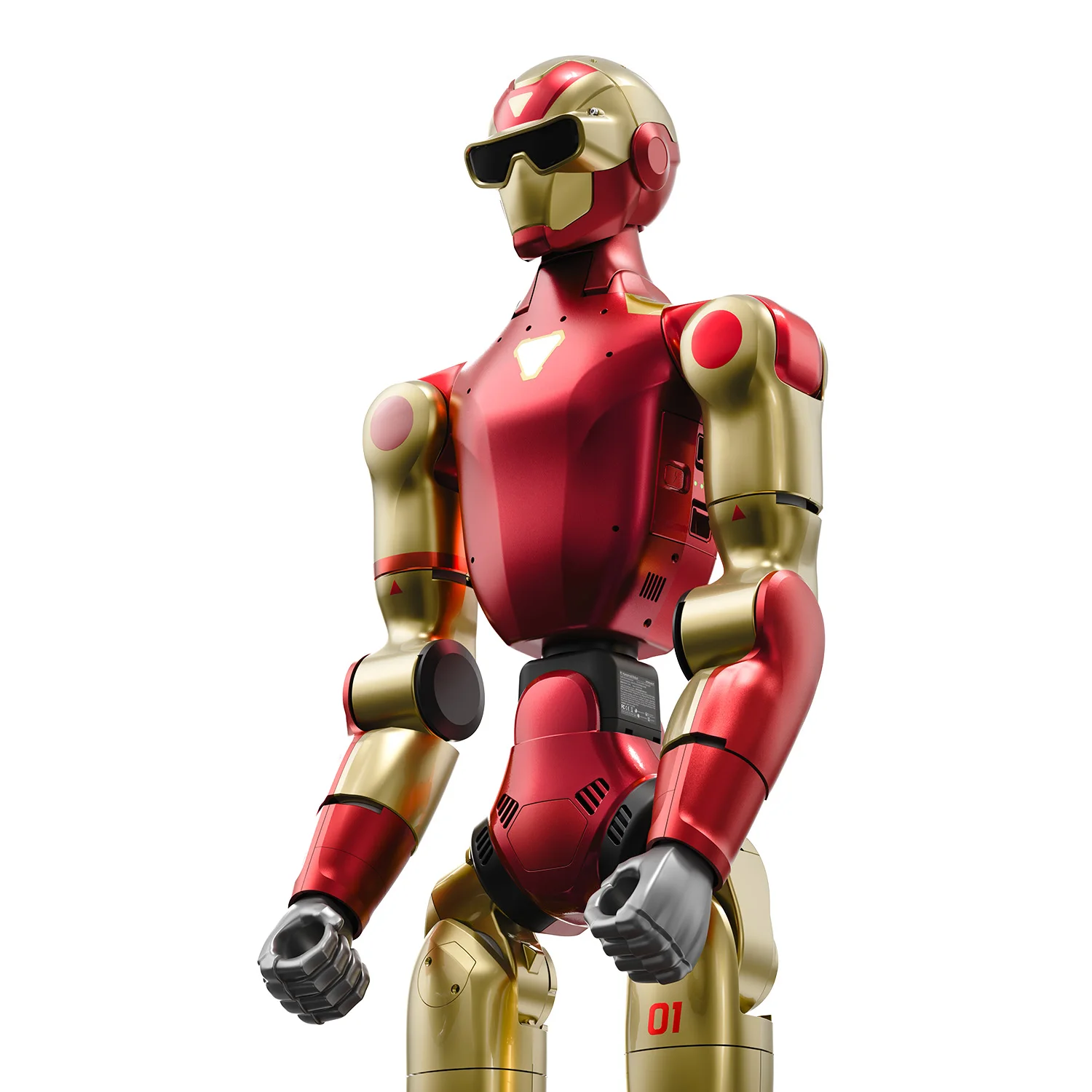
Unitree R1 just broke the $5k barrier. Tesla Optimus targets $20k. Chinese manufacturers racing to $3k. Where humanoid robot pricing goes from here.
We may earn a commission when you buy through links on this page. How picks are chosen
Top picks right now
Affiliate feed or dated snapshot · verify checkoutNo matching products are available right now. Please check again later.
Key Takeaways
- ✓BestCart AI checks available affiliate inventory; verify the seller, reviews, specifications, shipping, and final price at the destination.
- ✓Prioritize robots with at least 20 degrees of freedom and ROS2 compatibility.
- ✓Battery life remains a limitation, typically maxing out at two hours of active use.
- ✓Always verify seller history and request live video proof before purchasing high-ticket robots.
- ✓Expect significant additional costs for specialized freight shipping and import duties.
Find exactly what you need
BestCart AI checks available affiliate inventory. Verify the seller, reviews, specifications, shipping, and final price before buying.
Search with AIThe landscape of robotics is shifting faster than most consumers realize. While humanoid robots were once reserved for multi-million dollar research labs, the period between 2026 and 2028 is set to be the era of mass market accessibility. On platforms like AliExpress, we are already seeing the first wave of general purpose bipeds. However, the trend is clear: as manufacturing scales in robotics hubs, costs are plummeting. You should expect a future where a functional humanoid costs no more than a used sedan. When shopping today, you must balance the excitement of being an early adopter with the reality of shipping heavy, fragile hardware across borders. Most units on AliExpress are currently geared toward developers and hobbyists rather than casual home users. It is essential to look past the marketing videos and focus on the actual hardware specifications. This guide will help you navigate this emerging market and understand what to expect as these machines transition from novelty to utility.
What to Look For
Actuators and Degrees of Freedom are the most critical technical specs to examine first. A robot with fewer than 20 degrees of freedom will likely struggle with complex tasks like climbing stairs or manipulating objects with human-like dexterity. Look for high-torque brushless motors in the joints, as these provide the necessary power to weight ratio for sustained movement. Battery life is another major bottleneck to consider. Most current affordable models only offer one to two hours of active operation. If a listing claims significantly more without a massive increase in weight, proceed with caution. You should also verify the software environment before making a purchase. Most reputable humanoid manufacturers use open-source frameworks like ROS2 or specialized SDKs that allow for Python integration. A robot with a closed, proprietary system may become a very expensive paperweight if the manufacturer stops providing updates. Sensor suites are equally important for navigation. Without these, the robot is essentially blind and relies on pre-programmed paths. Finally, consider the payload capacity. If you intend for the robot to eventually carry items, check the maximum lifting weight for the arms. Many budget humanoids can barely lift their own limbs, let alone a grocery bag or a tool.
Top Categories / Use Cases
The first major category is the Research and Development platform. These are aimed at universities and software engineers who need a physical body to test AI models. They prioritize open-source compatibility and modular parts over aesthetic polish or quiet operation. Buyers in this category should expect a steep learning curve and the need for significant programming knowledge. The second category is the Light Duty Service humanoid. These are designed for more public-facing roles such as greeting guests in a lobby or providing information in a retail setting. They often feature more humanoid skin or friendly faces and focus on stability and battery life rather than raw strength. They are perfect for businesses looking to automate simple interactions or create a high-tech brand image. The third emerging category is the Consumer Companion or Hobbyist biped. These are often smaller, standing between three and four feet tall, and are marketed as the ultimate tech gadget. While they lack the power to do heavy housework, they are excellent for learning about robotics and performing basic telepresence tasks.
Best matches under $50
Affiliate feed or dated snapshot · verify checkoutNo matching products are available right now. Please check again later.
Smart Buying Tips
Buying a high-ticket item like a humanoid robot on AliExpress requires a different strategy than buying small electronics. First, you must vet the seller with extreme scrutiny. Look for Gold or Verified suppliers who have been active for at least three years and have a high positive feedback rating specifically for robotics or industrial equipment. Never rely on stock photos alone; message the seller and ask for a video of the specific unit performing a walk cycle or arm movement. Shipping is another major factor. These robots are heavy and often contain large lithium batteries, which restricts shipping methods. Be prepared for customs duties and VAT, as these are rarely included in the listed price. Always use the platform internal payment systems to stay protected by buyer protection programs. If a seller asks for a direct bank transfer to save on fees, it is almost certainly a scam. Finally, check for the availability of spare parts. Humanoid robots are complex and will eventually need repairs. A seller that offers replacement joints, batteries, and sensors is much more reliable than one selling a single, unsupported unit.
Our Verdict
The humanoid revolution is no longer a distant dream, but it remains in its early adopter phase. For developers, researchers, and tech enthusiasts with deep pockets, the current generation of affordable humanoids offers an incredible playground for innovation. However, if you are looking for a robot that can autonomously clean your house or cook dinner today, you should probably wait. The software is still catching up to the hardware. By 2027, we expect the ecosystem to be much more user-friendly and the prices to stabilize significantly. If you decide to take the plunge now, do so with realistic expectations and a willingness to troubleshoot technical issues.