Unitree vs Boston Dynamics: Who Wins in 2026?
Unitree G1 ($18k) vs Atlas ($unavailable), Go2 ($3.7k) vs Spot ($75k). How a Chinese company ate Boston Dynamics' lunch on consumer robotics.
We may earn a commission when you buy through links on this page. How picks are chosen
Top picks right now
Affiliate feed or dated snapshot · verify checkoutNo matching products are available right now. Please check again later.
Key Takeaways
- ✓Unitree provides accessible consumer robotics while Boston Dynamics focuses on industrial markets.
- ✓Expect to pay between 1,600 and 18,000 dollars for functional Unitree models on AliExpress.
- ✓Verify seller ratings and negotiate shipping methods to account for heavy lithium batteries.
- ✓Robots require technical knowledge of ROS2 or Python to be used for more than basic movement.
- ✓Always budget for import duties and potential DIY repairs when buying high-end Chinese robotics.
Find exactly what you need
BestCart AI checks available affiliate inventory. Verify the seller, reviews, specifications, shipping, and final price before buying.
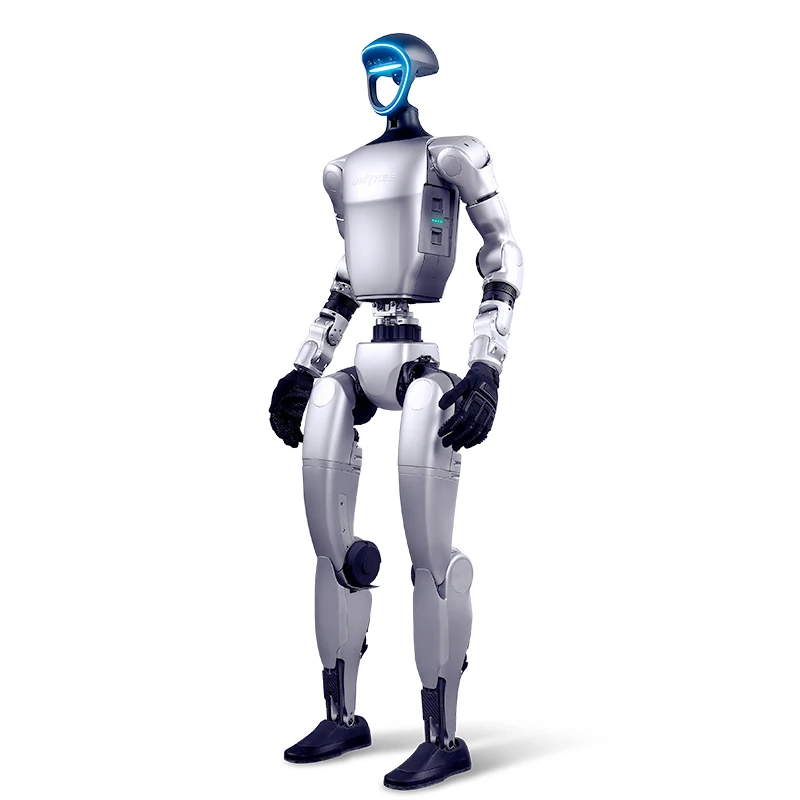
Search with AIThe landscape of robotics has shifted dramatically by 2026, moving from laboratory demonstrations to accessible hardware you can actually purchase. For years, Boston Dynamics set the gold standard with viral videos of Atlas and Spot, but their focus remains on high-end industrial contracts and research partnerships, often with price tags exceeding 75,000 dollars. In contrast, Unitree has utilized the massive manufacturing power of China to bring similar technology to the consumer and developer market via platforms like AliExpress. Today, you can find entry-level quadrupeds for around 1,600 dollars, while sophisticated humanoid platforms like the G1 are listed near 16,000 dollars. This guide explores the reality of buying these machines, what you can actually expect regarding build quality, and how to navigate the logistical hurdles of shipping a hundred-pound robot across the globe. While Boston Dynamics offers unmatched precision, Unitree offers something perhaps more valuable to the average innovator: availability. When shopping on AliExpress, expect shipping costs to be a significant portion of your budget and understand that these are complex tools requiring a high level of technical literacy to operate safely.
What to Look For
When evaluating a high-end robot, the first technical specification to scrutinize is the Degrees of Freedom, or DOF. A higher DOF count usually correlates with a higher price and more complex maintenance. Battery life is another critical bottleneck that many buyers overlook. Most consumer-grade quadrupeds and humanoids offer between 45 and 120 minutes of active use. You must check if the battery is user-replaceable, as integrated batteries can turn a robot into a paperweight if the cells degrade over time. Processing power is the third pillar of a smart purchase. Payload capacity is also vital if you plan to use the robot for practical tasks. Check the difference between standing payload and walking payload, as robots can often hold much more weight than they can actually transport. Finally, look for open-source software compatibility. A robot that supports ROS2 or has a robust SDK will be significantly more useful than a closed-system model that only responds to a basic remote control.
Top Categories / Use Cases
The first major category is the Consumer Quadruped, exemplified by the Go2 series. These four-legged robots are designed for hobbyists and tech enthusiasts, typically priced between 1,600 and 4,000 dollars. They are excellent for learning robotic programming, basic home security, or as high-tech companions. While they lack the extreme ruggedness of industrial models, they offer impressive agility and can navigate uneven terrain like grass or gravel with ease. The second category is the Emerging Humanoid, such as the G1 or H1 models. These are significantly more expensive, often ranging from 15,000 to 90,000 dollars. These machines are intended for research labs and developers who want to pioneer human-robot interaction or automated labor. They represent the cutting edge of what is available for purchase but require a dedicated workspace and significant technical knowledge to prevent expensive falls. The third category is the Industrial Inspection Robot. These are specialized quadrupeds equipped with LIDAR, thermal cameras, and gas sensors. Priced between 10,000 and 30,000 dollars, these units are used for patrolling construction sites or inspecting power plants. They prioritize durability and ingress protection ratings over speed or aesthetic design, making them the closest functional competitors to the Boston Dynamics Spot for small-to-medium businesses.
Best matches under $50
Affiliate feed or dated snapshot · verify checkoutNo matching products are available right now. Please check again later.
Smart Buying Tips
Purchasing a five-figure robot on AliExpress requires a different strategy than buying a pair of headphones. First, always verify the seller's history specifically in the 'Tools' or 'Electronics' categories. Look for stores that have been active for at least three years and maintain a feedback score above 95 percent. High-ticket items often have hidden shipping costs; because of the large lithium batteries, these robots usually cannot be shipped via standard air mail. You will likely need to coordinate sea freight or specialized courier services, which can add 500 to 1,500 dollars to your total. Be prepared to handle customs duties and import taxes, which are rarely included in the listed price and can be substantial depending on your country's regulations. Use the AliExpress internal messaging system to ask the seller for a video of the specific unit you are buying, including a demonstration of its joint calibration. This creates a paper trail that is invaluable if you need to file a dispute. Avoiding 'too good to be true' prices is essential; if a humanoid robot is listed for under 5,000 dollars, it is almost certainly a scam or a non-functional scale model.
Our Verdict
In the battle of 2026, the winner depends entirely on your access to capital and your specific needs. If you are a massive corporation requiring a turnkey solution with a dedicated support team, Boston Dynamics remains the undisputed leader in reliability and precision. However, for 99 percent of the world, Unitree has won by simply making the technology available. Their robots are the only viable option for independent developers, small startups, and wealthy hobbyists who want to participate in the robotics revolution today. While the software may require more tinkering and the hardware might lack the polish of a 75,000 dollar machine, the value proposition is undeniable. We recommend the Unitree Go2 for beginners and the G1 for serious researchers.